Did you know that more than one-third of the world’s crops depend on pollinators like bees and butterflies? Without these important insects, our food supply would be severely impacted. But what if you don’t have a yard to create a traditional garden? Do you have a balcony? A patio? A stoop? Don’t worry, because you can plant a container garden for pollinators and put it anywhere because no garden is too small.
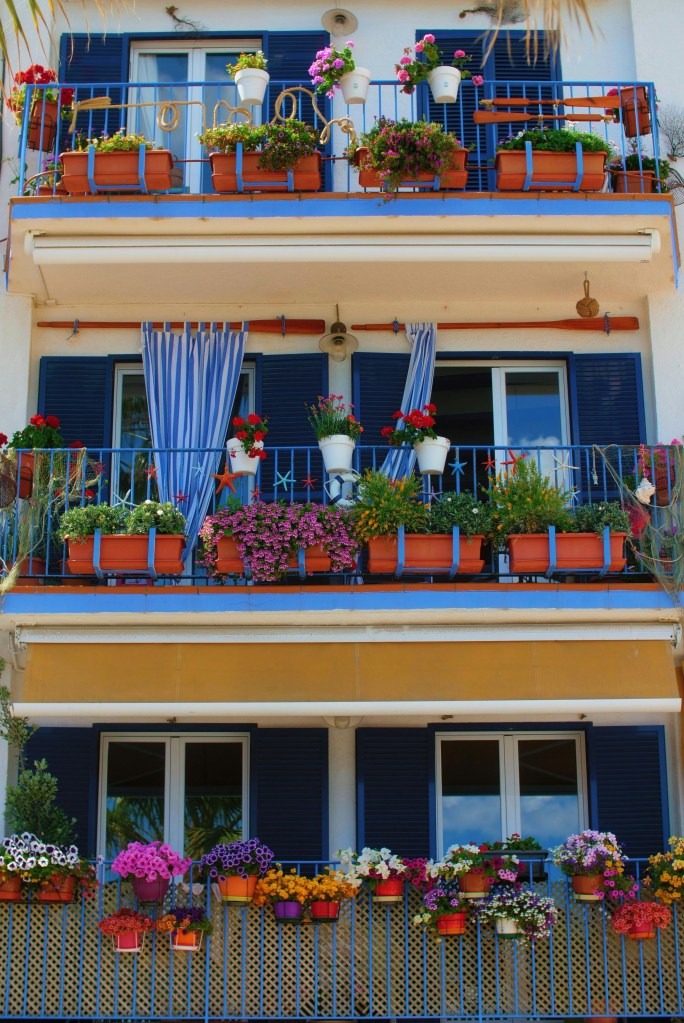
One of the primary benefits of container gardens is their ability to be placed on balconies, patios, or any small urban space, making them accessible to people without yards. This means that anyone, regardless of their living situation, can actively contribute to pollinator conservation by creating a welcoming habitat. No garden is too small to help our pollinating friends.
By choosing the right plants for your container garden, like native species that attract pollinators, you can provide a vital food source for bees, butterflies, and other pollinators. Native plants have evolved alongside local pollinators, offering them essential nectar and pollen.
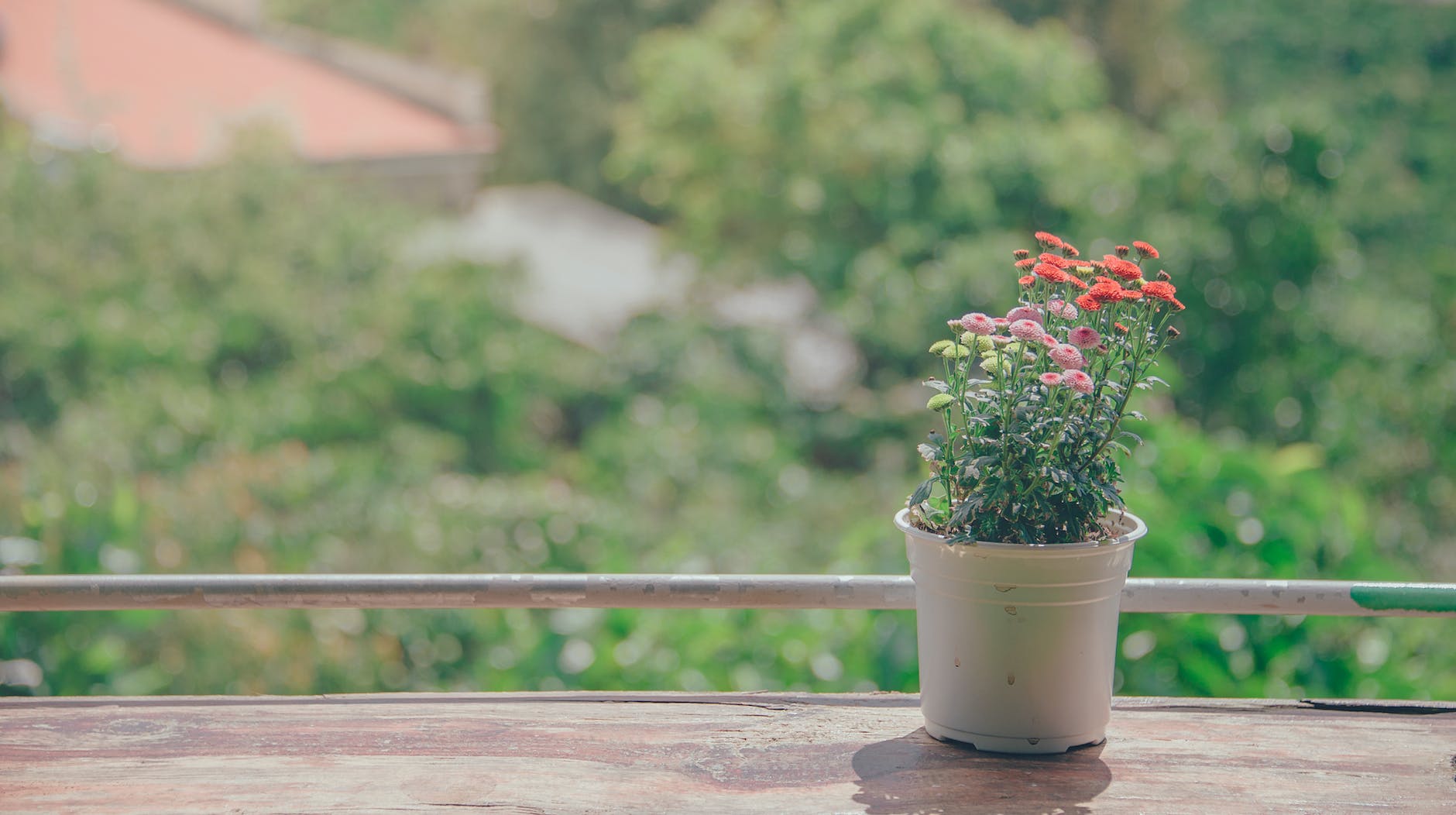
With container gardens, you can tailor the environment to meet pollinators’ needs. By including a variety of pollinator-friendly plants in different colors, shapes, and sizes, you can attract a wider range of pollinators, adding both beauty and biodiversity to your garden. And, don’t forget the caterpillars – who turn into beautiful butterflies. Yes, they eat plants – that’s what they do! Did you know it takes 6,000 to 9,000 caterpillars to raise one family of baby birds? That’s a lot of caterpillars. So, let’s get planting.
This is a great video to get you started –
What are the best pots to use for your new pollinator garden? Opt for pots made of natural materials like terracotta or wood, as they provide better insulation and a more natural environment for plants – although if you’re in an area that is prone to freezing – terracotta pots can crack. Avoid plastic pots, as they can heat up quickly and may not breathe as well. I personally recommend the galvanized steel buckets you can get from most hardware stores. They’re lightweight, inexpensive, and come in many different sizes. The only real downside to them is you need access to a drill for drainage holes or you need to add a rock layer to the bottom. Actually, make sure any of your pots have drainage holes to prevent waterlogging, which can be harmful to both plants and pollinators. Also, make sure that you have a tray for the pot to sit in to collect any excess water. It helps keep extra moisture for your plants, can protect your balcony or deck, and you don’t want to dribble on your neighbors.
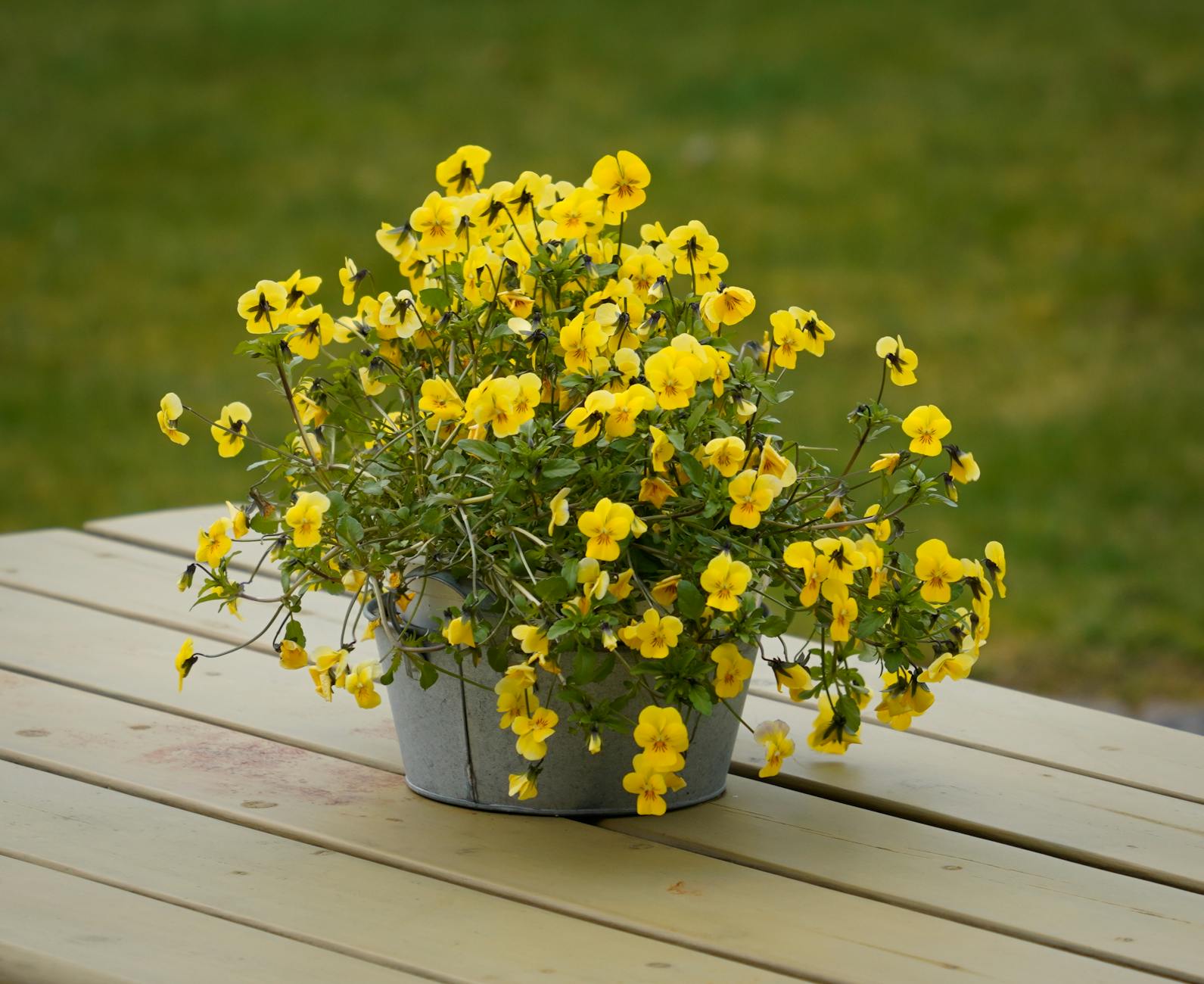

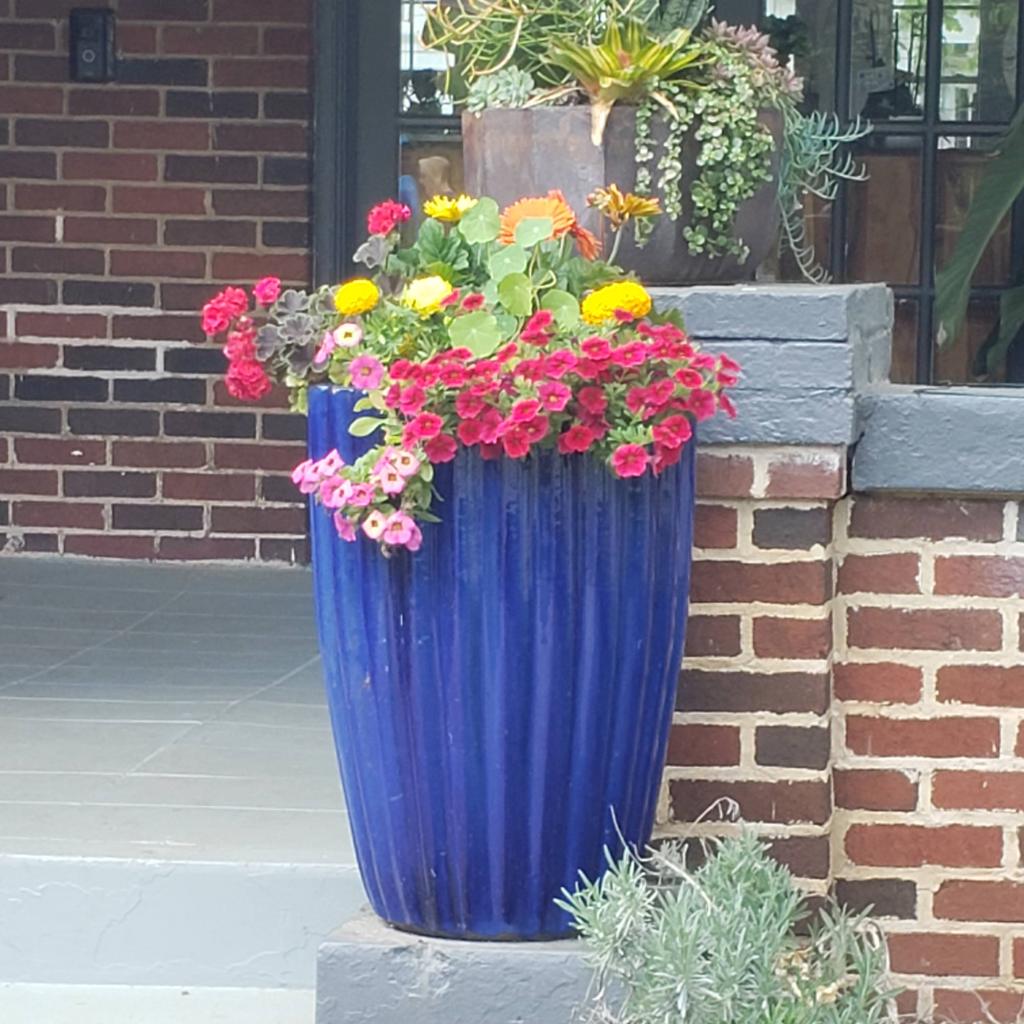
I have a large yard, but I still plant pollinator flowers in my pots. The red flowers above are called Blanket Flower(Gaillardia pulchella). They are native to much of the US. There is also lavender – which isn’t native but I love it and so do the bees.
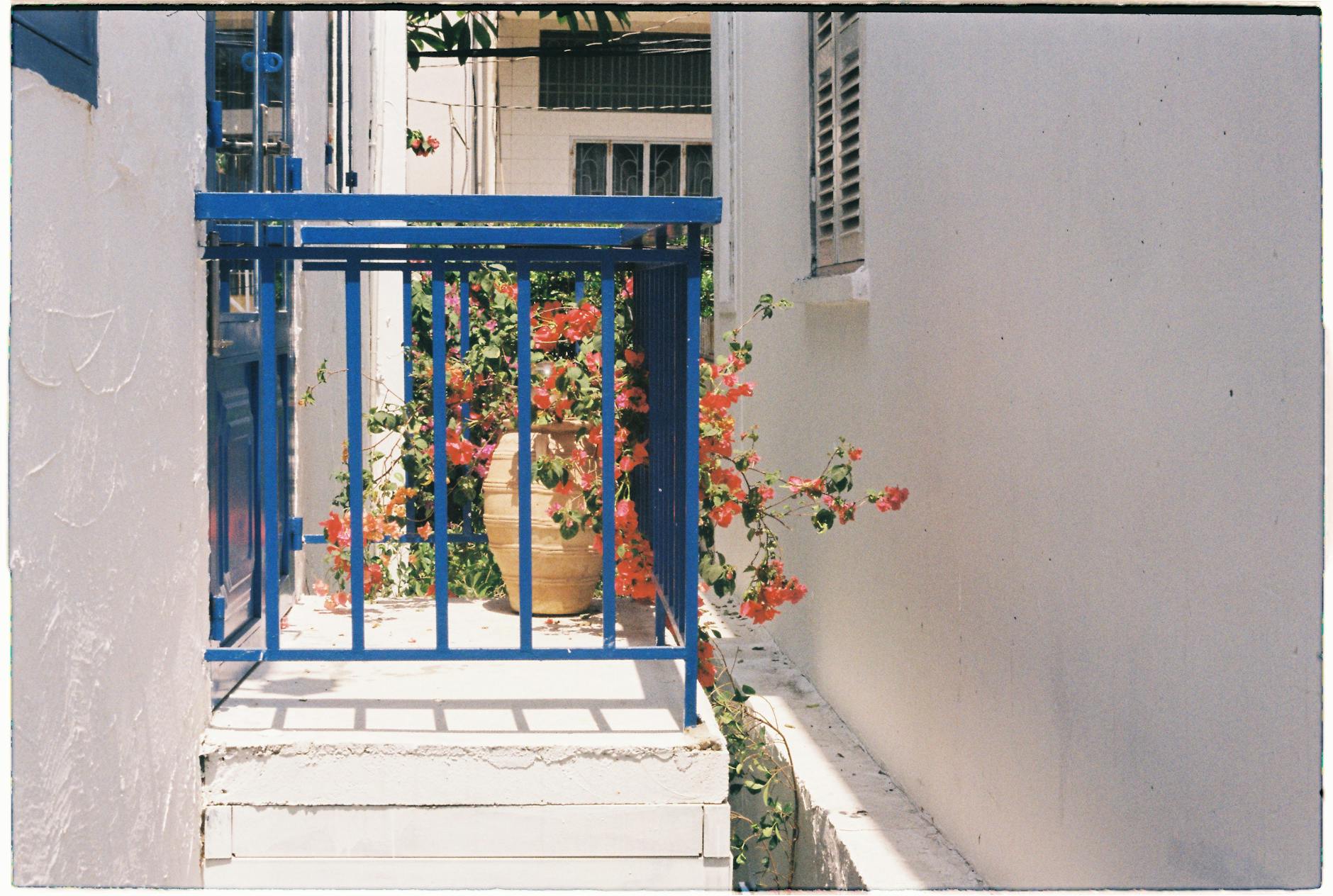
What do you plant?
Because the Earth as a whole is such a diverse set of different ecosystems – it would be hard for me to give you a list of region-specific plants for your new pollinator container garden. When I have time, I will try to make some guides for different areas. Until then, a great resource for gardening to help wildlife in the US is Homegrown National Park. They are very knowledgeable about what the best native pollinator plants are for your area.
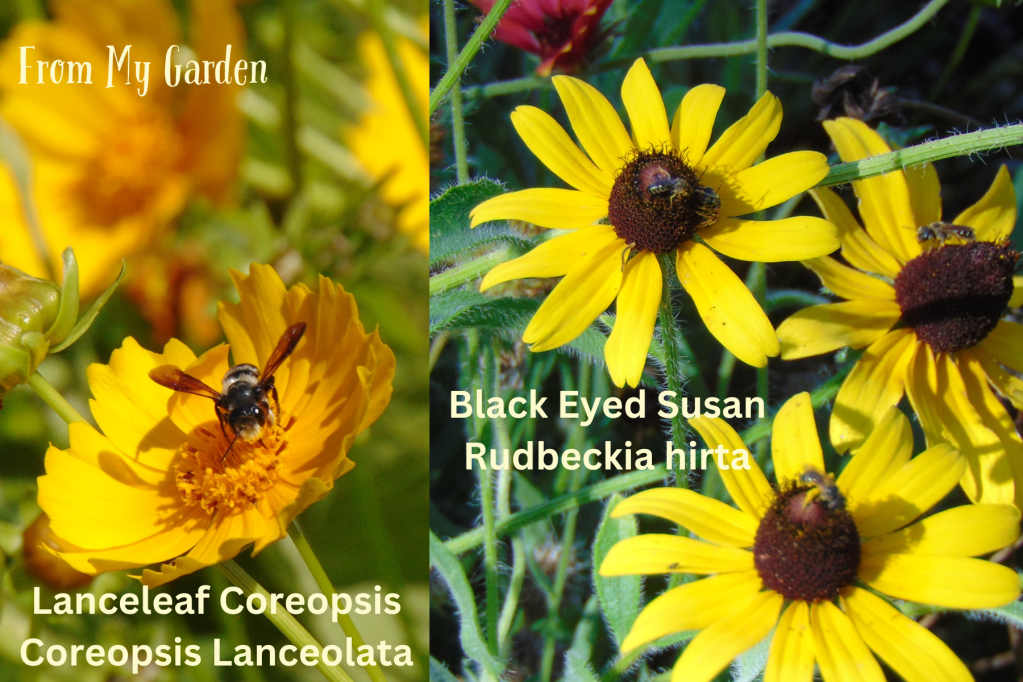
Find your ecoregion in this HNP guide to CONTAINER GARDENING WITH KEYSTONES – for example – I live outside of Atlanta, GA so my ecoregion is 8.3 – Southeastern US Plains. Some suggested plants for my area are Lanceleaf Coreopsis and Black Eyed Susan. I have these in my yard but they don’t grow super tall so would be good in a pot. The bees looove them.
Although, I am an advocate of native plants and think that you should have as many different native species as possible – I also think that your garden should be a place you enjoy spending time so you should also plant some things that you like. As long as they aren’t invasive.
Other great resources for native plants are the Lady Bird Johnson Wildflower Center Wildflower.org and Xerces.org.
It’s very important to not use any pesticides in or around your container garden. Pesticides kill the good bugs as well as the ahem, bad bugs. There are no bad bugs in my book, just some that can be slightly problematic.
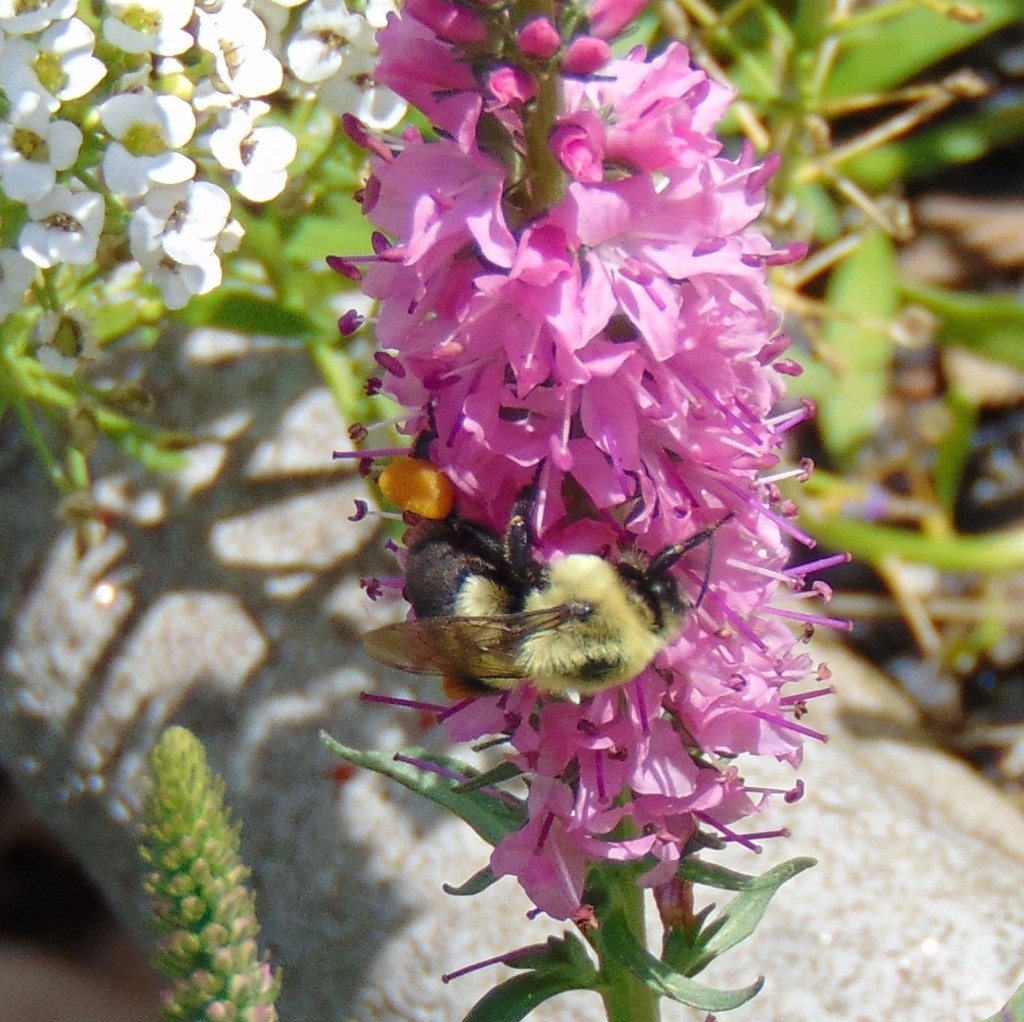

Anyway – we need to help the pollinators in any way we can. Offering them a pesticide-free food source is a great way to help support the local ecosystem. Let’s get planting!

 Green Is A Lifestyle
Leave a comment