Bamboo is often hailed as a sustainable alternative to traditional materials, but is it really as green as it seems? Let’s look closer at its sustainability and whether it lives up to its eco-friendly reputation.
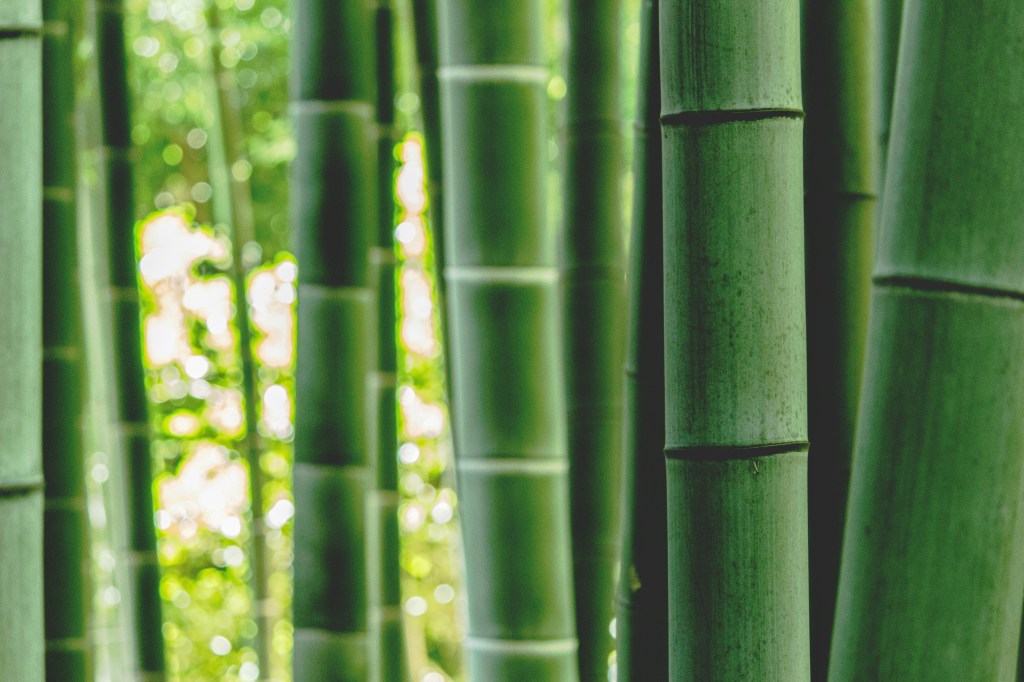
First, let’s talk about why bamboo is considered sustainable. Bamboo is a fast-growing grass that requires little water, no pesticides, and regenerates quickly. This means it can be harvested without causing damage to the environment. Additionally, bamboo plants help reduce carbon dioxide in the atmosphere and produce more oxygen than trees, making them a boon for the environment.
While bamboo is generally considered eco-friendly, its sustainability can vary depending on the product. Bamboo furniture is more sustainable because it requires less processing, whereas bamboo clothing needs more processing, making it less eco-friendly. When shopping for sustainable bamboo products, keep these factors in mind.
Another concern is the monoculture of bamboo plantations. While bamboo is a versatile material, relying too heavily on it can lead to the loss of biodiversity. Planting bamboo in monoculture can also deplete the soil of nutrients over time, leading to soil degradation.
Despite these concerns, bamboo can still be a sustainable choice when grown and processed responsibly. Look for bamboo products that are certified organic and processed using eco-friendly methods. Additionally, choosing bamboo products that are durable and long-lasting can help reduce the overall environmental impact.
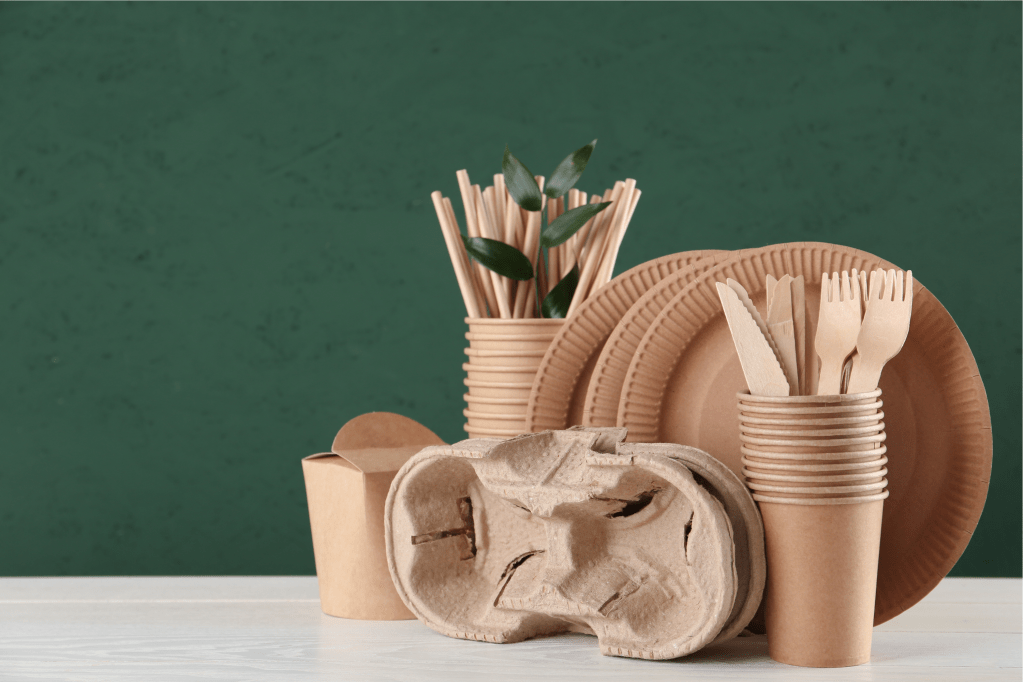
Single Use Products Made From Bamboo
Lots of products that say they’re bamboo are actually mostly plastic. Take cups made of bamboo plastic composite (BPC), for example. They might seem like a greener choice than regular plastic cups at first. But, surprise! They’re mostly plastic with just a tiny bit of bamboo fiber. And when they get hot, they can release harmful chemicals. For a truly eco-friendly and safe cup, go for one made entirely from bamboo.
Here are some single use products made from 100% bamboo that I’ve curated from Amazon:

Bamboo Flooring
Bamboo flooring is a popular choice for eco-friendly homes because bamboo grows much faster than hardwood trees. It reaches maturity in a fraction of the time, making it a more sustainable option. After harvesting, bamboo can be processed into flooring without using harmful chemicals or finishes. This makes it a healthier choice for your home and the environment. Bamboo flooring is also known for its durability and longevity. With proper care, it can last for decades, making it a cost-effective choice in the long run.
There are two main types of bamboo flooring: solid and engineered. Solid bamboo is made entirely from bamboo, while engineered bamboo mixes bamboo with other woods. Both types are eco-friendly, but solid bamboo is considered more sustainable since it uses only bamboo in its production.
8″ Sample Piece – Ambient Natural Strand Woven Click Lock Bamboo Flooring | Easy to Install, Kid and Pet-Friendly with Accuseal Finish System | Get This Plank Sample, Perfect to Test Durability – this flooring is a blend of bamboo and eucaplytus which is another sustainable material.
BAMBOO FLOORING from Bamboo Revolution – this is 100% woven bamboo – not sure what chemicals are involved with the process.

Bamboo Fabric
Bamboo fabrics, especially clothes, are super smooth and soft. But to know if they’re really eco-friendly, you gotta know how they’re made. There are two main ways: mechanical and chemical.
Mechanical processing starts by crushing the bamboo pulp into mush, usually with natural enzymes. Then, the fibers are combed and spun into yarn, creating a fabric often called bamboo linen. This method is labor-intensive but more sustainable.
Chemical processing involves breaking down the woody part of the bamboo with chemicals to create a cellulose solution. This solution is then treated with more chemicals to make a soft fabric, often called rayon or viscose bamboo. While this method is less labor-intensive, it’s more harmful to the environment due to the toxic chemicals used.
If you want eco-friendly bamboo clothes or bedding, go for items made with mechanical processing. Most bamboo textiles are bamboo-viscose, made with chemical processing. The Natural Resources Defense Council suggests looking for mechanically processed bamboo or lyocell bamboo as a greener alternative.

Bamboo Bathroom Products
Bamboo toilet paper is an eco-friendly option made by processing bamboo into a soft pulp and then into sheets. Bamboo grows quickly without pesticides or much water, and its production doesn’t require bleach or harmful chemicals. However, it can be pricier and less durable than regular toilet paper, and some brands may contain chemicals or fragrances.
Here are some options for eco-friendly toilet paper from Amazon:
Bamboo toothbrushes are another eco-friendly choice, as bamboo is sustainable and biodegradable. They’re also usually more affordable than plastic brushes. However, some bamboo toothbrushes have nylon bristles that aren’t biodegradable, or pig hair bristles, which raise ethical concerns. Despite these issues, bamboo toothbrushes are still a greener option than plastic ones.
Here are some options for eco-friendly bamboo tooth brushes from Amazon:
SeaTurtle Plant-Based Bristles, Bamboo Toothbrushes, Soft Natural Toothbrush for Adults (4 Pack) – these have bristles made from the Castor Bean – so NO plastic.
Sonic Bamboo Toothbrush – Biodegradeable Bamboo Heads with Castor Oil bristles – Includes 2 Brush Heads – Replacement Heads Available Separately – for those people who like to use a less traditional toothbrush.
In conclusion, while bamboo has the potential to be a sustainable material, it is essential to consider the entire lifecycle of bamboo products and choose wisely. By opting for responsibly sourced and processed bamboo products, you can enjoy the benefits of this versatile material while minimizing its environmental impact.


 Green Is A Lifestyle
Leave a comment