
Trying to be a conscientious consumer in today’s world, can be a little confusing. Take for instance buying dog poop bags – there’s compostable this, biodegradable that, recycled plastic ones over there – which one do you buy? To help make the right choice it is important to understand that these terms are not interchangeable and hold distinct meanings. Let’s break it down…
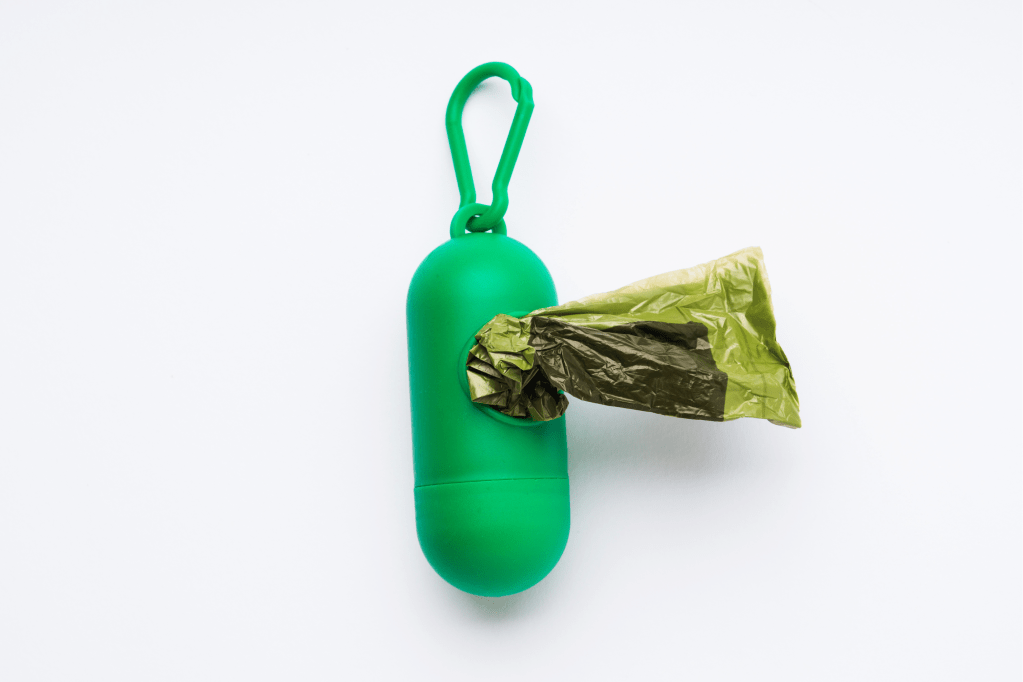
Compostable materials are composed of organic matter or plants that can break down naturally over time. Examples of compostable materials include corn starch, bagasse, and PVAL/PVOH. These materials, upon degradation, produce humus, a nutrient-rich substance that plays a vital role in soil health. Compostable materials’ degradation process occurs in a compost environment, where warm temperatures, nutrients, moisture, and oxygen facilitate the breakdown process.
Compostable products are specifically designed to break down into natural elements in a compost environment, leaving no harmful residues behind. According to the ASTM (American Society for Testing and Materials), compostable materials undergo degradation through biological processes during composting, resulting in the production of CO2, water, inorganic compounds, and biomass. These materials degrade at a rate consistent with other compostable materials and do not leave behind any visible, distinguishable, or toxic residue.
It is worth noting that compostable materials require a specific compostable environment to degrade effectively. This environment includes the right combination of temperature, moisture, and nutrients. Therefore, proper disposal and management of compostable products are essential to ensure their degradation and reap the benefits they offer.
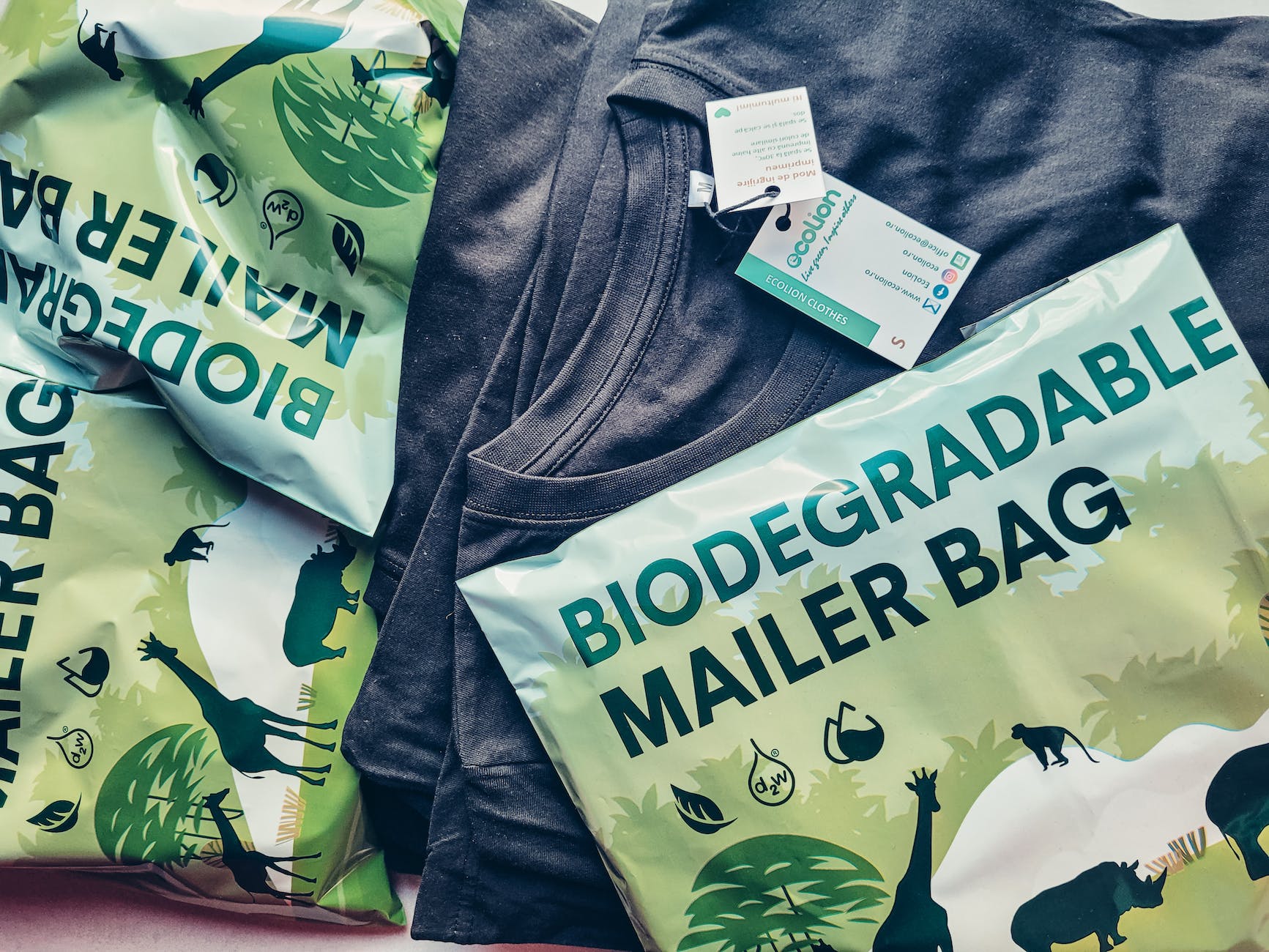
Biodegradable materials, on the other hand, encompass a broader category that includes materials capable of breaking down and decomposing in various environments. Unlike compostable materials, which are limited to organic elements, biodegradable materials can be made from both plant-based and petroleum-based sources. Examples of biodegradable materials include PBAT (Poly (Butylene Adipate-Co-Terephthalate)), PCL (Polycaprolactone), PLA (Polylactic Acid), and PBS (Poly (Butylene Succinate)).
Biodegradable plastics, for instance, are designed to break down into microplastics at a quicker rate than regular plastic. However, the degradation speed of biodegradable materials can vary depending on factors such as temperature, moisture, and the amount of processing they have undergone. While some biodegradable materials can decompose within a few months, others may take several years.
One significant concern with biodegradable plastics is the potential production of toxic waste during degradation. Recent studies have found that certain biodegradable plastics leave behind microplastics, which can have detrimental effects on the environment. These microplastics may contain toxic components that can harm ecosystems and find their way into our food and water supply.
The Importance of Knowing the Difference
Although compostable materials fall under the umbrella of biodegradable materials, there are distinct differences between the two. Understanding those differences is crucial for making informed choices about waste disposal and minimizing environmental impact. While biodegradable items generally refer to any material that breaks down and decomposes in the environment, compostable goods specifically pertain to organic matter that breaks down, leaving behind beneficial residual products.
Compostable products offer several benefits over biodegradable plastics. They require less water and energy during the manufacturing process, generate fewer greenhouse gas emissions, and contribute to the improvement of soil health. By using compostable products, we can reduce waste, lower our carbon footprint, and create a healthier environment for future generations.
On the other hand, the loose usage of the term “biodegradable” can lead to misconceptions. Certain biodegradable products may take considerable time to break down and can leave behind toxic waste residues. Be cautious when choosing biodegradable products and ensure they meet recognized compostability or biodegradability standards.

The Environmental Impact: Compostable vs Biodegradable vs Plastics
When comparing compostable and biodegradable materials to traditional plastics, the environmental impact becomes evident. While compostable and biodegradable materials offer more sustainable alternatives, plastics pose significant challenges.
Plastics, which are petroleum-based, have a degradation time frame ranging from 200 to 500 years. As they break down, they release toxic substances such as polystyrene-based (PS) oligomers and bisphenol A. Plastics can leach these harmful chemicals into soil and water systems, threatening ecosystems and our food supply.
In contrast, compostable and biodegradable materials offer a more environmentally friendly option. Compostable materials, in particular, contribute to soil health and plant growth, as they break down into beneficial components like humus. We can help reduce pollution and protect marine life by choosing compostable or biodegradable alternatives.
Making Informed Choices for a Sustainable Future
As consumers, we have the power to make a positive impact on the environment by making informed choices about the products we use and dispose of. When it comes to compostable and biodegradable materials, it is essential to understand the distinctions and opt for products that align with our sustainability goals.
When choosing compostable products, ensure they are disposed of correctly in a compostable environment. Consider building your own compost at home or utilizing compostable waste bins in your community. By doing so, you can contribute to the creation of nutrient-rich soil and promote sustainable waste management practices.
Similarly, when selecting biodegradable products, be mindful of their potential to leave behind toxic residues. Look for products made from plant-based materials and ensure they meet recognized compostability or biodegradability standards.
Small choices matter in achieving your green lifestyle and knowledge gives you power. So, which poop bags did I choose? The compostable ones, of course.




 Green Is A Lifestyle
Leave a comment