

In the past year, I’ve watched two nicely wooded areas near my home be completely obliterated and turn into… you guessed it – gas stations. Within a mile of each other, what once was a home for who knows how many birds and woodland creatures is now a concrete jungle devoid of anything but human life. To make up for all of this habitat destruction, creating a wildlife-friendly garden is a small yet impactful step towards preserving our planet’s biodiversity. By rewilding your green space and embracing native plants and wildlife, you can contribute to restoring natural habitats and supporting native pollinators. In this comprehensive guide, we will explore the importance of Rewilding, provide practical tips on creating a wildlife-friendly garden, and discuss the benefits of gardening for wildlife and native pollinators.
Why Rewild Your Garden?
Before we delve into the practical steps, let’s understand the concept of rewilding and why it matters. Rewilding refers to restoring an area of land to its natural, uncultivated state and allowing nature to thrive. While large-scale rewilding projects often focus on vast landscapes and reintroducing wild animals, we can adopt rewilding principles in our own small outdoor spaces.
By rewilding your garden, balcony, or window boxes, you can play a vital role in preserving native plants and animals, regardless of the size of your green space. It’s an opportunity to repair damaged ecosystems, create wildlife habitats, and increase biodiversity. Plus, rewilding your garden offers numerous benefits for insects, birds, native plants, soil health, and your overall well-being. Here are some practical ways to create a wildlife-friendly yard.
10 Ways to Rewild Your Yard
1. Observe and Assess Your Yard
Before embarking on your rewilding journey, take the time to observe and assess your garden. Identify the existing plants, their benefits, and whether they are native or non-native species. Note the presence of any regular visitors, such as birds or insects, and their feeding, nesting, or hiding spots. Consider factors like water supply, wind direction, sunlight hours, and pesticide usage. By understanding your garden’s current state, you can plan your rewilding efforts more effectively.
2. Say No to Fertilizers and Pesticides
To create a healthy ecosystem in your garden, it’s essential to stop using fertilizers and pesticides. These chemicals can harm the soil, deplete its nutrients, and have negative impacts on a wide range of species. Instead, embrace organic gardening practices and rely on natural processes to nourish your plants. Consider setting up a compost bin or worm farm to provide organic matter for your garden without resorting to chemical fertilizers. For some tips for a chemical-free landscape, check out Take Flight From Lawn Pesticides: Tips for Organic, Bird-Friendly Gardening
3. Embrace Native Plants
Choosing the right plants is crucial for creating a wildlife-friendly garden. Opt for native plants that are adapted to the local climate and soil conditions. Native plants provide essential food and habitat for native pollinators and other wildlife. They have evolved to thrive in the ecosystem and offer the most nutrients for local animals. Explore local seed banks or nurseries that specialize in native plant species and aim for a diverse selection of plants that offer year-round flowering and a variety of colors and shapes. A great place to start is Xerces.org.
4. Create Layers of Vegetation
To mimic the diversity found in natural habitats, create layers of vegetation in your garden. Emulate the ground layer, understory layer, shrub layer, and canopy layer commonly found in forests. This diversity of plant heights and structures provides hiding places, lookouts, and a wide range of food sources for wildlife. Fallen leaves, branches, and other organic matter also contribute to the soil’s health, providing nutrients and supporting a thriving ecosystem. LANDSCAPING FOR WILDLIFE IN LAYERS
5. Leave the Leaves and Pretty Much Everything Else
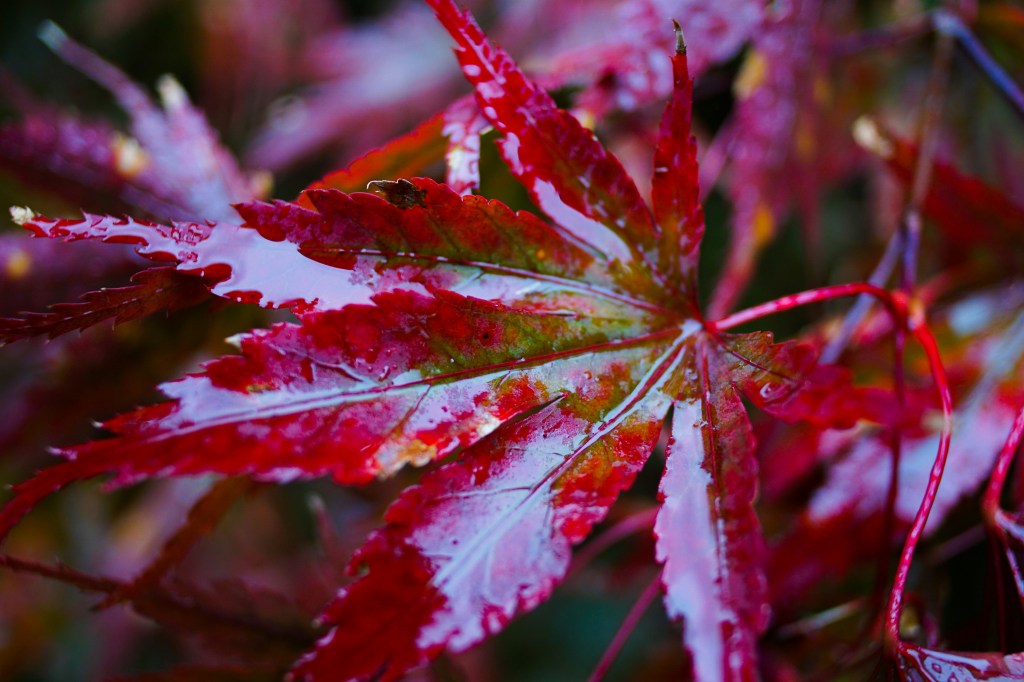
Woodpiles and rotting vegetation play a vital role in creating habitats for various species. These piles offer shelter for mammals, birds, invertebrates, fungi, and moss. They also protect the soil from drying out and serve as a sustainable source of carbon compost. Avoid burning woodpiles, as they provide valuable hibernation or nesting sites for wildlife. Additionally, refrain from burning leaves, as they contain nutrients and can be used as mulch or spread over your vegetable patches. This Fall, Leave the Leaves!
6. Cultivate a Compost System
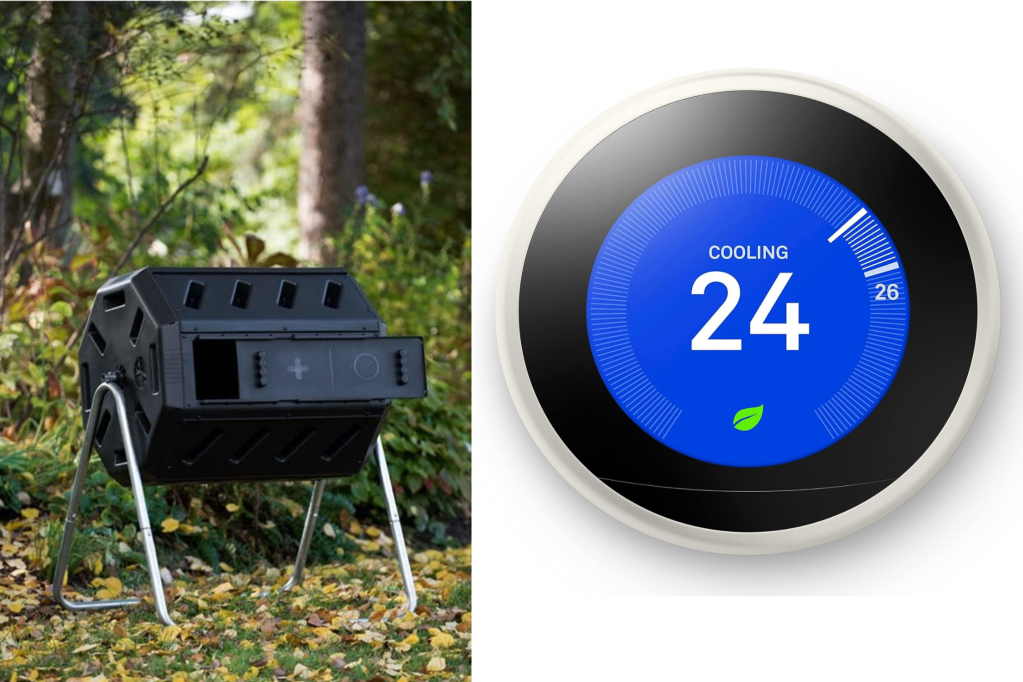
A thriving garden needs a healthy balance of carbon and nitrogen. Composting is an excellent way to generate organic matter and feed the soil. Set up a compost bin or worm farm to transform kitchen scraps, leaves, branches, and other biodegradable waste into nutrient-rich compost. Carbon-rich materials like leaves and cardboard provide energy for soil microbes, while nitrogen-rich materials like grass clippings or food scraps provide moisture. Composting not only reduces landfill waste but also enhances the fertility of your garden’s soil. Backyard Composting Dos and Don’ts
7. Create Wildlife Corridors
Fences and concreted areas can act as barriers for wildlife, hindering their movement and access to resources. To promote wildlife diversity, consider planting hedges or leaving pathways and small gaps between properties. Tall grass and shrubs provide hiding places and safe passage for small mammals like hedgehogs. By connecting your garden with neighboring green spaces, you create wildlife corridors that allow animals to move freely and safely.
8. Introduce a Pond or Water Feature
If you have enough space, consider adding a pond or water feature to your garden. Ponds create habitats for amphibians, invertebrates, and small mammals while serving as a water source for birds. Ensure one side of the pond has a gentle slope for easy access by wildlife. Incorporate aquatic plants and oxygenators to maintain water quality. Avoid introducing fish, as they may prey on visiting wildlife. The presence of a pond can significantly enhance the biodiversity and rewilding potential of your garden.Tips on How to create a mini pond
9. Embrace Reduce, Reuse, and Recycle
Adopting sustainable practices is integral to rewilding your garden. Embrace the principles of reduce, reuse, and recycle to minimize waste and environmental impact. Avoid single-use plastics, choose eco-friendly gardening tools, and repurpose materials whenever possible. Compost organic waste, use rainwater for irrigation, and prioritize native plants that require less water and maintenance. By reducing your ecological footprint, you contribute to the preservation of natural habitats and combat habitat loss.
10. Spread the Word and Inspire Others
As you embark on your rewilding journey, share your experiences and knowledge with others. Inspire friends, neighbors, and community members to embrace wildlife-friendly gardening practices. Organize garden tours or workshops to showcase the beauty and benefits of rewilding. By creating a network of like-minded individuals, you can collectively make a significant impact in combating habitat loss and promoting biodiversity. Here are some wildlife habitat signs on Etsy – if you want to spread the word – Habitat Signs

To Sum Up
Creating a wildlife-friendly yard is a powerful way to combat habitat loss and support native pollinators. By rewilding your green space, embracing native plants, and implementing sustainable gardening practices, you can transform your garden into a haven for wildlife. Observe, assess, and plan your rewilding efforts, while avoiding fertilizers and pesticides. Embrace native plants, create layers of vegetation, and provide woodpiles and compost systems. Establish wildlife corridors and introduce a pond or water feature. Embrace reduce, reuse, and recycle principles and spread the word to inspire others. Let’s join forces and contribute to the preservation of our planet’s biodiversity, one yard at a time.
Remember, by gardening for wildlife, you’re not only creating a beautiful and vibrant outdoor space but also playing a crucial role in conserving nature and combating habitat loss. So grab your gardening gloves, get creative, and let your yard flourish with life. Let’s lose the lawn!


 Green Is A Lifestyle
Leave a comment