
How many times have you tried to be a good global citizen by finding, no matter how small, that number in a triangle symbol on every piece of your plastic waste, then sorting and bagging your plastics to be recycled, only to get to the facility and find that they are very picky about what they will or won’t accept? Yes to 1 but clear in one bin and green in the other. Yes to 2 but only if it’s not blue – that’s not really a thing but you know the drill. Being conscientious can be difficult when there are so many rules and do’s and don’ts. Which numbers are good for recycling and which ones are bad? Being eco-conscious shouldn’t be a puzzle. Let’s break it down: Which plastic numbers get the green light for recycling? By understanding the different types of plastics and their recyclability, we can make informed decisions to reduce plastic waste.

The Plastics Recycling Chart
To begin, let’s take a look at the Plastics Recycling Chart, which provides an overview of the seven standard classifications for plastics and their recycling and reuse information. Understanding these classifications is crucial in determining the recyclability of different types of plastics.
| Plastic Type | Recyclability | Reusability |
|---|---|---|
| #1: PET | Recyclable | Limited |
| #2: HDPE | Recyclable | Reusable |
| #3: PVC | Not recyclable | Avoid reuse |
| #4: LDPE | Varies | Reusable |
| #5: PP | Varies | Reusable |
| #6: PS | Not recyclable | Avoid reuse |
| #7: Others | Not recyclable | Avoid reuse |
Understanding Plastic Resin Codes
Have you ever wondered what those number symbols on plastic bottles and containers mean? These symbols are known as plastic resin codes, introduced by the Society of Plastics Industry (SPI) to identify the plastic resin content. Unfortunately, the small size of these codes often makes them hard to see. However, they can provide valuable information about the recyclability of different plastics.
#1: PET (Polyethylene Terephthalate)
PET, which is commonly used for water bottles and plastic soda bottles, is one of the most widely recycled plastics. It is generally considered safe for recycling, although it is not recommended for repeated use due to the risk of leaching and bacterial growth. PET may also leach carcinogens, making it important to use caution when reusing PET containers.
#2: HDPE (High-Density Polyethylene)
HDPE is commonly found in milk jugs, detergent containers, and oil bottles. It is one of the safest plastics to use and is fully recyclable. HDPE containers can be safely reused, making them a sustainable choice.
#3: PVC (Polyvinyl Chloride)
PVC is often used for plastic food wrapping due to its soft and flexible nature. However, PVC products are generally not accepted by most consumer recyclers. It is important to avoid reusing PVC products, especially when it comes to food or items used by children, as they may contain toxins that can leach throughout their life cycle.
#4: LDPE (Low-Density Polyethylene)
LDPE is commonly used for plastic bags, shrink wraps, and other items. While most plastic bags are not recyclable, some companies and recycling centers have found alternatives to recycle them. LDPE is generally reusable and safe to repurpose.
#5: PP (Polypropylene)
Polypropylene is used in margarine and yogurt containers, potato chip bags, cereal bags, and more. While polypropylene is recyclable, not all recyclers accept it. However, it is considered safe for reuse, making it a viable option for reducing plastic waste.
#6: PS (Polystyrene)
Polystyrene, commonly known as Styrofoam, is used for disposable drinking cups, take-out containers, and packing peanuts. Unfortunately, polystyrene is not generally recyclable and accounts for a significant portion of landfill material. It easily breaks apart, leading to environmental pollution and harm to marine life. Polystyrene has also been linked to human health and reproductive system dysfunction, making it important to avoid reusing polystyrene products.
#7: Polycarbonate, BPA, and Other Plastics
Plastics classified as #7, including polycarbonate and those containing BPA, are challenging to recycle and are often excluded from recycling processes. These plastics can potentially leak chemicals and have been linked to health concerns. It is best to assume that #7 plastics cannot be recycled or reused.
The Challenges of Plastic Recycling
While it is important to be aware of which plastics are recyclable, it is equally crucial to understand the challenges and limitations of plastic recycling. Recycling facilities often have different capabilities and may accept different types of plastics. Contacting your local recycling center to determine which plastics they collect is essential in ensuring that your recycling efforts are effective. For example, our local facility only accepts #1 and #2 and you have to sort the #1’s between a clear bin and a color bin. Also, while we’re at it – to cap or not to cap? That’s a whole different discussion.
Furthermore, the recycling process itself can produce microplastics, which are tiny particles smaller than five millimeters. Mechanical friction and abrasion during the recycling process can release microplastics into the environment. A recent study conducted at a recycling facility in the United Kingdom found that up to 13 percent of processed plastic could end up as microplastics in water or air.
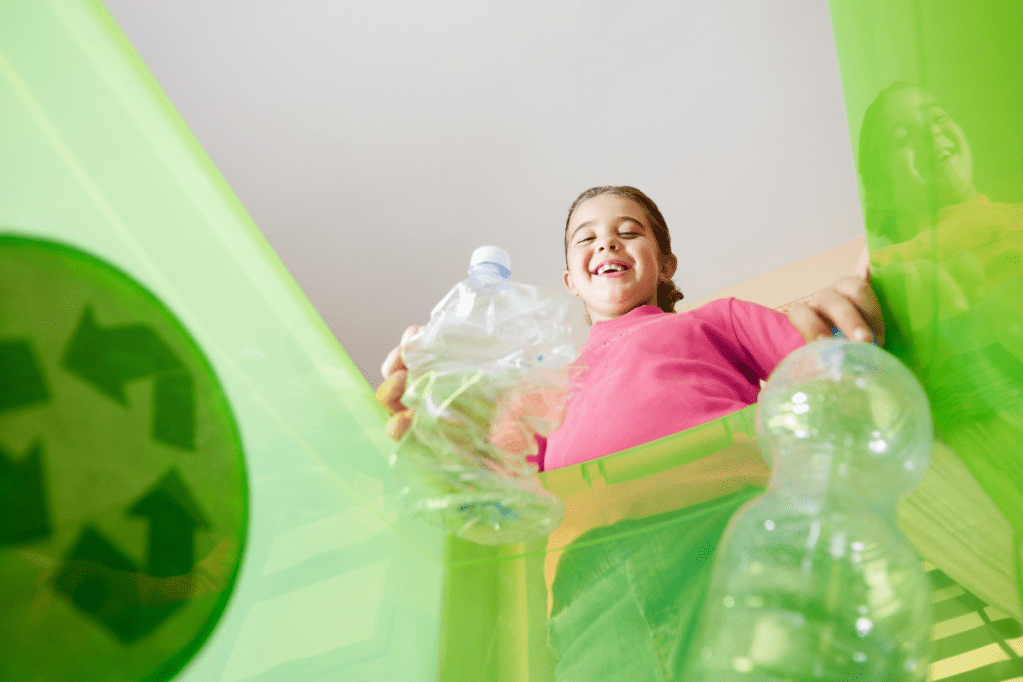
The Importance of Reducing Plastic Waste
While recycling plays a role in managing plastic waste, it is not a comprehensive solution. The best approach to tackling the plastic pollution problem is to reduce the consumption of single-use plastics and opt for more sustainable alternatives. By minimizing our reliance on plastic products, we can significantly decrease the amount of plastic waste generated.
In conclusion, understanding which plastics are recyclable is a crucial step towards reducing plastic waste. While plastics #1 and #2 are generally accepted for recycling, other plastics may have limited recyclability or may not be recyclable at all. It is important to prioritize the reduction of plastic waste by opting for reusable alternatives and minimizing the use of single-use plastics. By making conscious choices, we can contribute to a more sustainable future with less plastic pollution.
Remember, the journey towards a plastic-free world begins with each individual’s efforts. Let’s work together to protect our planet and create a cleaner, healthier environment for future generations.
Additional Information: It is worth noting that regulations and recycling capabilities may vary in different regions. Always consult your local recycling center or waste management authorities for specific guidelines and information regarding plastic recycling in your area.




 Green Is A Lifestyle
Leave a comment